
Sources of Air Pollutants
Measurement of air pollutants is major step towards controlling them. Sources of Air pollutants can be natural or may be the results of activities of human like vehicles etc. Also air pollutants can be categorised as primary of secondary pollutants. In based on sources of air pollutants they can be differentiated like stationary or mobile sources.
Government has notified to all industries their emission limits and every manufacturing industry has to obey those rules so that we all can contribute to reduce pollution, also they notify us air pollution levels for every city in simple numbers through media like newspapers, televisions and radio etc. it is called as air quality index.
Read more why there is need to calculate air quality index?
Classification and Sources of Air Pollutants
Air pollutants can be classified as follow:
Natural Pollutants
There are several natural pollutant pollute air such as Natural fog, particles of volcanic eruption, Pollen grains, bacteria etc. amongst of them pollen grains are very important because their size range can vary from 5 µ to 100 µ (Micron). Larger particles can cause bronchitis, asthma, dermatitis to human beings.
Aerosols
Aerosols can be defined as solids or liquids are present in microscopic size in air. It can be dust, smoke, mists, fog and fumes. Sometimes they are called as Particulate matters it can be measured by using high volume air sampler. .
Dust
Dust is made up of Solid particles generated by crushing, grinding processes. Its range can vary from 0.01 µ to 100 µ (Micron). Mostly 5 µ or smaller particles tend to form stable suspension in air. It is called as particulate matter.
Learn More About Particulate Matter PM10 and PM2.5
Smoke
Smoke can be defied as particles produced by incomplete combustion of fuel. Generally size of the particles is less than 1 µ.
Mists
Mist can be defined as liquid particles are present in air in very low quantity. This means light dispersion of water droplets suspended in atmosphere.
Fog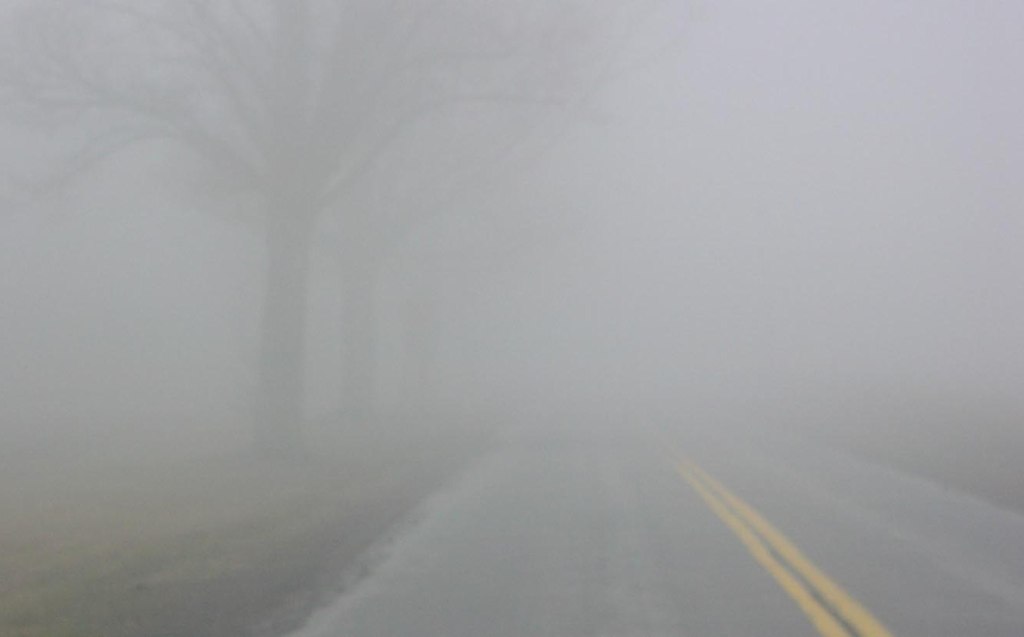
Fog is defined as visible aerosols present in air in liquid phase. Formation of fog is mostly because of condensation of water vapour. It can reduce visibility to less than 1/2 km. In Fog particle range can be vary from 40-1.0 µ
Fumes
These are solid particles produced by condensation from the gaseous state. Generally volatilization from melted substances. Fumes flocculate and sometimes coalesce.
Gases
The various Gases and their vapours which are major contributor to air pollution.
Read More About
Sulphur Compounds
Sulphur Dioxide
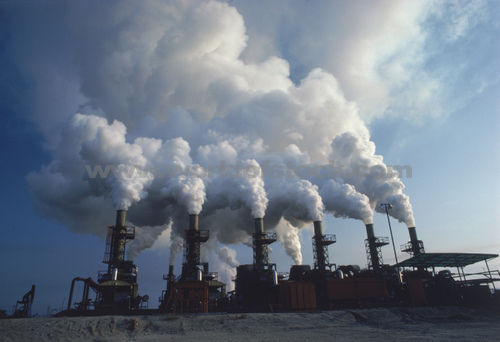
This is one of the Primary pollutant of air pollutants. The main source of sulphur dioxide is combustion of fuels, especially coal. The sulphur content may vary from 1 % (good quality coal) to 4 % (bituminous coal). Another source of Sulphur is metallurgical operations. During smelting of ores of zinc, copper and lead produce sulphur dioxides.
Majorly SO2 is emitted from process stacks, DG set, boiler stack, scrubber stack etc.
Learn more about How to Reduce Air pollution from Industries
Hydrogen Sulphide
This gas is foul smelling smell. The sources of this gas is majorly from anaerobic biological decay processes on land, in swamps and in oceans. Volcanos and Natural water springs emit hydrogen sulphide to some extent. Also Kraft pulp and Petroleum Refinary industry emit hydrogen sulphide to major extent.
Hydrogen Fluoride
Major Sources for hydrogen fluoride are manufacturers of phosphatic fertilizers, brick plants, pottery, aluminium industry and ferro-enamalworks. Hydrogen fluoride is very important air pollutant even if it is present in very low concentrations. And it can harm humans and animals at such low levels.
Chlorine and Hydrogen Chloride
Chlorine is found in polluted air as chlorine as hydrogen chloride, Chlorine containing organic compounds. Major Sources of Air Pollutants as chlorine and its compounds are chemical industries, water purification process, sewage plants, swimming pools etc. It can cause respiratory track irritation in human.
Oxides of Nitrogen
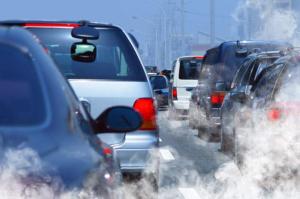
It is apparent that oxides of Nitrogen are the second highest contaminant in major cities. Mostly oxides of nitrogen are present due to emission from industries where nitric acid is produced or used. Next Sources of Air Pollutants as Oxides of nitrogen are Automobile exhausts, power plants and low heat burners and furnaces etc. out of all nitrogen oxides only nitric oxide and nitrogen dioxide arise from human activities. Normally it is written like NOx to show all oxides of nitrogen.
Learn more about How to Reduce Air Pollution from Cities
Carbon Monoxide
This is odourless and colourless gas produced by incomplete combustion of carbonaceous materials. It is highly poisonous gas. Major source of Carbon Monoxide is incomplete combustion of Fuel from automobiles engines. Also furnaces, petroleum refining operations, gas manufacturing plants etc. emit carbon monoxide.
Ozone
Origin of ozone in air has not been clarified but it is likely that sunlight and combustion are evolved in ozone’s production. Ozone is poisonous and smelly. It exists in upper layer of atmosphere.
Aldehydes
These are produced by combustion of Diesel, petrol fuel oil, natural gas, and gasoline etc. Incomplete combustion of fuels and lubrication oils cause to the formation of aldehydes. It can cause irritation of eyes.
Organic Vapours
Sources of Air pollutants like organic vapours include large numbers of chemical compounds, like aromatic hydrocarbons, acetylene, olefins and chlorinated hydrocarbons. It can be produced in combustion processes. Also they are majorly responsible for smog.
Radioactive Gases
A Major source of radioactive gases are nuclear power reactor. Also testing for atomic bombs, agricultural, industrial and medically use of radioactive isotopes etc.
Summarizing, major sources of air pollutants are mobile sources (Vehicles), stationary sources (Power plants, industries etc.), area sources (Agriculture, Cities etc.)
Effects of Air Pollution
Air pollution poses severe threats to human health, causing respiratory and cardiovascular diseases as a result of inhaling pollutants such as particulate matter and toxic gases. Additionally, it contributes to environmental degradation, harming ecosystems and biodiversity.
The impact extends to climate change, with pollutants like carbon dioxide and methane contributing to global warming. Finally, air pollution has economic repercussions, straining healthcare systems and reducing overall productivity.
Natural sources of air pollution
Natural sources of air pollution include volcanic eruptions, which release sulfur dioxide, ash, and other pollutants into the atmosphere, contributing to regional and even global air quality issues. Wildfires, another natural source, release large amounts of particulate matter, carbon monoxide, and volatile organic compounds, affecting both air quality and human health.
Additionally, dust storms, driven by natural weather patterns, can transport vast amounts of dust and particulates over long distances, impacting air quality in various regions.
Man-Made Sources of Air Pollution
Man-made sources of air pollution encompass industrial activities, with factories emitting pollutants such as sulfur dioxide, nitrogen oxides, and particulate matter into the air. Transportation, particularly vehicles with internal combustion engines, releases significant amounts of carbon monoxide, nitrogen oxides, and volatile organic compounds, contributing to urban air quality issues.
Power plants burning fossil fuels further contribute to air pollution by releasing pollutants such as sulfur dioxide, nitrogen oxides, and greenhouse gases into the atmosphere.
Sources of Air Pollution in PDF
Read more Environmental Monitoring
Frequently Asked Questions
1. Industrial Emissions: Manufacturing processes, power generation, and chemical production release pollutants into the air.
2. Vehicle Emissions: Combustion of fossil fuels in cars, trucks, and motorcycles contributes to air pollution.
3. Power Generation: Fossil fuel-based power plants emit pollutants during electricity production.
4. Residential Heating and Cooking: Use of solid fuels like coal and wood for heating and cooking releases pollutants.
5. Agricultural Activities: Livestock farming and crop burning are sources of air pollution.
The largest sources of pollution are often attributed to the combustion of fossil fuels in power plants, industrial activities, and transportation, releasing significant amounts of pollutants such as carbon dioxide, sulfur dioxide, and nitrogen oxides into the atmosphere.
Additionally, improper waste management, including open burning and landfill emissions, contributes substantially to air and environmental pollution.