
Noise Impact Assessment
Noise is often defined as it is the sound which is undesired by recipient. Noise Impact assessment is important part of Environmental impact assessment. The main objective of Noise impact assessment is to measure current noise quality assessment of study area, Impacts of future projects on local noise, its impact and acceptability.
Noise Pollution Sources
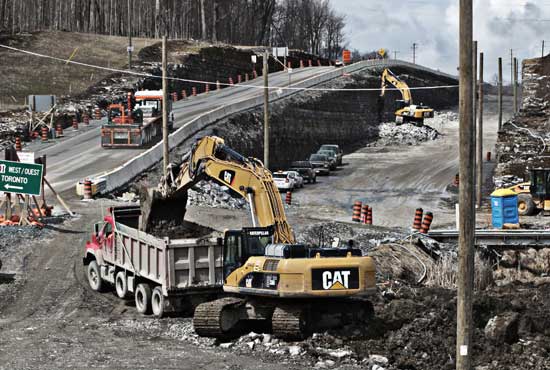
- Noise impact mainly ascends from
- Vehicles
- Trains
- Ships
- Construction Sites (including the equipments and vehicle movements)
- deepening of river
- borrowing
- Airplanes
- Other Fixed Noise Sources like, Malls, Parking lots, bus depot, etc.
Noise Sensitive Areas
- The potential Noise sensitive areas which can impact because of high noise levels.
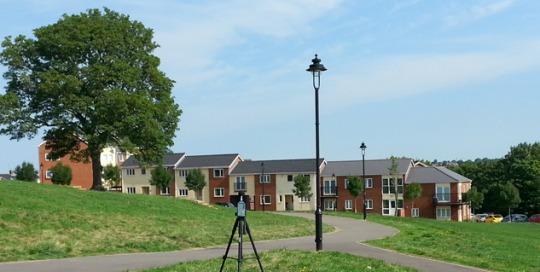
- Residential Areas: All domestic housing areas
- Institutional Areas: Libraries, schools, colleges, hospitals, clinics, public workshops, theatres etc.
- Other areas: hostels, gardens etc.
Noise Tolerant Areas
Noise tolerant areas where particular level of noise can be accepted because of low population density.
- Multi-floor Car parking lots
- Malls
- Corporate office with Noise insulation
- Godown
- Communities and Commercial centres
Noise Impact Assessment Planning
Many residential or industrial areas require noise impact assessment reports for project in planning phase. It ensures the adequate protection is provided for upcoming residents by reducing noise impact. Noise impact assessment planning also reduces other impacts on health and quality of life arising from new developments.
Noise Impact Assessment Guidelines
Below are the noise impact assessment guidelines which needs to be followed in ideal scenario. In real life one or more steps can be merged depending upon the project.
Define Project requirements and Noise problem
In this step, it is very important to define current and future land usage in the vicinity of the proposal. Also factors that should also to be considered which will cause noise pollution during construction and operation. Also the length of time over impact will occur and the time of the day, day, night, week etc. also traffic noise in construction area due to increased cars and trucks in surrounding roads.
Establish Baseline for noise impact assessment
After completion of above step noise consultants should have clear understanding of potential noise impact on the residents. In this step they provide current noise level recordings for surroundings. Objective of baseline survey is to identify those locations which are most sensitive and most likely to be adversely affected by proposed development project.
Determine extent of noise level impact for proposed development
After completion of pervious steps now Noise consultant’s role is to predict the noise impact for proposed development. It is very difficult to predict the noise output at the very early stage. Here noise consultants play important roles in predicting noise output beyond limitations of softwares considering their experience and expertise.
Read more about Noise Mapping
Identify Noise mitigation options
In this step of Noise impact assessment planning, noise consultants carefully examine the sources of noises in development area. They provide solutions on reducing noise level at source level, relocating source of receiver to minimize the noise impact or introducing noise barriers to reduce the noise impact from source.
Evaluation and consideration of significance of each mitigation option
Once option for noise impact assessment are established then proposer produces a document that summarizes the all available options to compare noise impacts, cost effectiveness, feasibility, etc. The best options is decided after discussion I committee members which meets all the goals for noise limits.
Determine optimal noise control solution
In this step, evaluated options to mitigate noise impact to arrange in ranking order by considering socio-economic factors and most innovative and competitive options are selected to proceed further in Noise impact assessment planning phase.
Noise Impact Assessment Survey Methods
Initial Process
In this process all Noise sensitive receptors along with distance from noise source, magnitude of noise level is generated from noise source, existing noise level and noise level after site completion are identified
Quantitative Noise Impact Assessment
In this Process Quantitative assessment it depends on type of development. i.e Noise generating development or Noise sensitive development.
The main objective of this procedure is to identify impact of development
Qualitative Noise Impact Assessment
In this procedure more detailed and with some additional factors taken into consideration to Quantitative Study of Noise Impact Assessment. For eg. If new noise generating development is planned then its impact on existing receptors is studied. And if new housing or hospitals i.e. Noise sensitive development is planned then current noise levels are studied to measure probable impact on it.
Also effects of noise on human residential is also taken into consideration eg. Loss of sleep, unable to concentrate, use of outdoor facilities etc.
Also it can consider time of day of monitoring, time period, frequency of occurrence, absolute level etc.
Level Of Significance
In this procedure impact of noise is studied on noise receptors and magnitude of Impact. Results are entered into a sheet of noise impact. Eg. Very large, large, moderate, slight neutral etc.
Decision Process
Noise measurement
Normally noise measurement will be made to determine at particular location or existing noise environment. So that proposed developments can made to avoid impact on human health
Noise Monitoring Locations
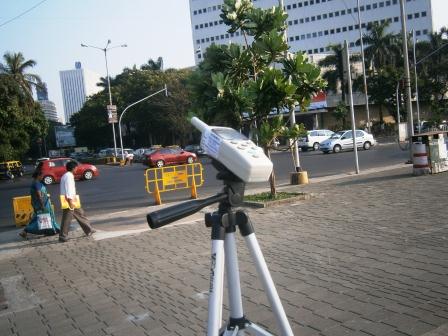
Normally Noise monitoring location are chosen to protect nearest noise receptors. So ideal location would be outside the sensitive area but usually same distance from source.
Noise Monitoring Time
It is recommended that 22:00 to 7:00 is considered as night-time and 7:00 to 22:00 as Daytime.
Noise Impact assessment Report
After noise impact assessment procedure a report is created which has all the minute details of impact of new development project on surrounded residents.
Below is the overview of noise impact assessment report
- Project details: it consists of details of project name, client details, consultant details and duration of noise impact assessment activity
- Project description: it includes details about development project and its impact
- Noise impact assessment Planning Policy: it includes outline guidance for the assessment of noise affecting new developments
- Noise affecting development: In this section of noise impact assessment report current noise level and noise impact are compared in detail to identify the problem areas.
- Survey Result: Survey results includes reading recorded in assessment period and map is created showing high impact and sensitive areas.
- Conclusion: This section explains the outcome of noise impact assessment activity in details and action to be taken to mitigate the noise impact in detail.
Noise Indices
Because of noise levels vary over locations and time it is necessary to have indices in place to describe noise levels same as Air Quality Indices.
The Equivalent Continuous Noise Level over a period of time L eq,T
Road Traffic Noise LA10, 18H
Mitigation Measures for Noise Impact
- Seek other land arrangement
- Noise tolerant buildings
- Treatment of Noise source
- Noise barrier/enclosure
- Special or better building design
- Alternative Location
- Decking over
- Construction site clearing
- Indoor Acoustic Insulation
Read more about tips to reduce noise pollution
In short, based of Noise impact assessments results it becomes easier to provide suggestions to minimize impacts on residential areas and minimize noise pollution by making changes in noise sources.
Noise Reduction Consultants
Perfect Pollucon Services offers Noise reduction solution by measuring, assessing and controlling noise pollution problem from the source. Our clients trust us because of our experience, expertise and knowledge on acoustic testing.
Noise impact assessment are requested by environmental clearance committee to understand if your project is not impacting environment in negative way to nearby residential, communal, forest or other businesses.
The main objective of noise impact assessment is to measure and assess current noise level and future impact of local noise on environment.
Impact assessment is detailed evaluation of planned project on environment, social, wildlife, etc to the previous state before the project.
Environmental impact assessment is the process to assess the impact of a project or development on nearby environment and life. It helps agencies to understand the various effects of project on environment and helps them take measures to reduce it.
Thanks for sharing your thoughts on noise monitoring. Regards