
How to Improve Indoor Air Quality Naturally at Home or Office
Looking for the best ways to improve indoor air quality naturally-whether it’s in your bedroom, apartment, or office space? You’re not alone. At Perfect Pollucon Services, we’ve spent over 25 years conducting indoor air quality testing across homes, offices, apartments, old houses, and corporate buildings in India.
This guide will help you:
- Understand what causes poor indoor air
- Learn low-cost, natural methods to detox indoor air
- Discover advanced but practical solutions for winter, bedrooms, and office spaces
Whether you live in a high-rise apartment or manage a team in a closed office, these actionable tips will help you breathe better-every day.
What is Indoor Air Quality?
Indoor air defined as air in homes, offices, clubs etc. and also around them especially it relates to health and comfort of building occupants.
Most people around the world spend about 85% of their time indoors, this is why indoor air quality is considered as most important part of human life.

Exposure to indoor air pollution for longer duration may lead to serious health problems.
Common Sources of Indoor Air Pollution in Homes & Offices
Pollutants may arise from inside or outside of buildings and also include bacteria, fungi, chemicals, dust, odour etc. nut it can be confused with temperature, humidity, occupant’s perception and their vulnerabilities.
In offices major sources of indoor air pollution are Dusts, Inadequate ventilation systems, cleaning chemicals usage, ozone, pesticides and smoke. These parameters are present in every offices or homes in more or less quantities. These can cause reduce indoor air quality when present in excessive concentration.
Dust and still water can cause favourable environment for microbial growth. Also indoor smoking cigarette can damage indoor air quality in substantial manner.
Smoking cigarette can release smoke particles, particulate matter, radon, Carbon Monoxide, formaldehyde, etc.
Also lack of fresh air can also increase indoor air pollution as perception of still stale air, odors, draftinees, very low or high humidity or temperature can create discomfort environment.
Pro Tip: Most people overlook sources like indoor furniture, incense sticks, and damp corners-which can silently degrade air quality over time.
Read More Sources of Air Pollution
What are Effects of Indoor Air Pollution?
When Indoor air quality is not upto the mark then some people who are more sensitive that others can show below mentioned symptoms after several hours of exposure to the polluted air:
- Headache
- Dryness of skin, eyes, etc
- Weakness
- Shortness of breath
- Dizziness
- Nausea
- Sinus Congestion
- Allergies
- Hypersensitivity
- Sneezing and Coughing
Read More About Indoor Air Quality Testing Parameters
People can feel better when the move to away from these buildings where they have shown these symptoms.
Improved air quality can show improvement in productivity and fewer lost working days.
Natural Ways to Improve Indoor Air Quality at Home & Office
Improving air quality doesn’t always require expensive machines. Here are natural, effective solutions we recommend:
- Use air-purifying plants like snake plant, aloe vera, or areca palm in bedrooms or living rooms.
- Open windows daily, especially in early morning or late evening to reduce carbon dioxide levels.
- Cross ventilate rooms, even for 15–20 minutes, to let indoor air refresh.
- Sun-dry bedding and curtains weekly to reduce dust mites and mold.
- Switch to organic or neem-based cleaners instead of synthetic sprays.
- Avoid incense sticks or strong-scented candles that release VOCs.
🌟 Real-World Insight: One Mumbai apartment saw a 42% drop in PM2.5 levels just by opening windows for 30 minutes a day and removing synthetic room sprays.
Why Indoor Air Quality Testing / Monitoring is Required?
When employee or occupants are falling sick regularly or particular symptom is shown by many occupants then there is requirement of Indoor air quality monitoring.
But before proceeding to indoor air quality monitoring process some basic data needs to be collected as below mentioned:
- Type of complaints
- Location of such complaints
- Specific time and day of complaints
- First occurrence
- When did health problem arise after leaving building or over the weekend
- Is there any activity related to occurrence of the problem e.g. use of pesticide
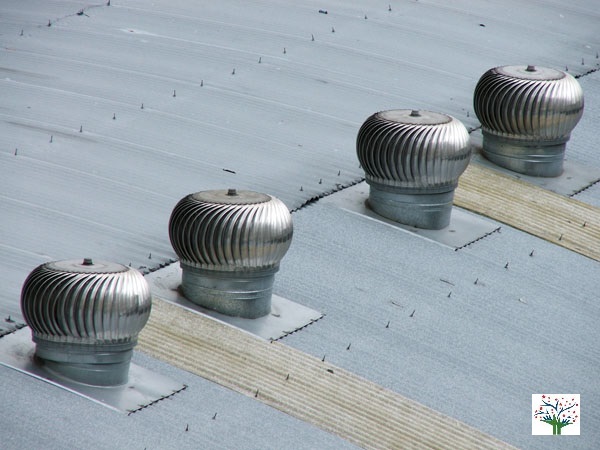
It can be measured from different locations within a building, Indoor vs outdoor and Different time of the day so that collected data can show some information about source of the problem and possible solution.
Learn More about How to Improve Indoor Air Quality in Cities
How to Improve Indoor Air Quality at Home or Office?
Below are the tips or ways on how to improve indoor air quality in homes and offices:
- Regular sweeping in homes and offices with moist cloth
- Open windows and let the fresh air come
- Add house plants to help clean indoor air e.g. fern, spider plant or aloe vera
- Purchase air purifier for home or offices
- Avoid smoking, wood burning, candles in homes or offices
- Remove shoes before entering into house
- Keep homes dry. Use dehumidifier
- Minimize the use of harsh cleaners or cleaners with strong fragrances
- Repairs all leaks properly
- Ensure proper ventilation by opening windows when possible and maintaining HVAC systems.
- Choose low VOC (volatile organic compounds) materials for furniture and office supplies.
- Store chemicals and cleaning supplies in well-ventilated areas.
- Educate employees about indoor air quality and encourage good habits.
Also you would be interested in knowing how to reduce air pollution from Factories.
The most effective strategy to improve indoor air quality is by eliminating or reducing sources of contaminants.
Effective ventilation is most important as it increases fresh and clean outdoor air, removes pollutants and keeps us healthy. We conduct Ventilation Surveys to check airflows and provide suggestions to improve ventilation in Industries and homes.
Effective Ways to Improve Indoor Air Quality on a Budget
Improving indoor air doesn’t have to be expensive. Based on our team’s on-ground audits, here are cost-effective methods that really work:
- Use Exhaust Fans Regularly
Especially in kitchens and bathrooms to push pollutants out. - Keep Indoor Plants Like Areca Palm or Snake Plant
These are low-maintenance and naturally absorb toxins. - Sun-Dry Your Bedding and Curtains
Reduces dust mites and mold spores-especially in humid regions like Mumbai. - Use DIY Air Fresheners
Avoid synthetic sprays. Instead, use lemon peels, cloves, or camphor in a bowl of water. - Keep Windows Slightly Open
Even 15 minutes of cross-ventilation a day can refresh indoor air.
💡 Expert Tip: Many homes we inspected had sealed windows due to noise or insects. But stagnant air is a bigger threat. Use netting to allow airflow without inviting pests.
Common Mistakes People Make While Trying to Improve Indoor Air
After inspecting 1000+ indoor locations, here are frequent mistakes we see:
- Using too many scented candles or incense sticks:
These increase particulate matter and VOCs indoors. - Ignoring Air Conditioner Filters:
Most homes don’t clean AC filters monthly, allowing dust and allergens to circulate. - Assuming “No Smell” Means Clean Air:
Many harmful gases like carbon monoxide are odorless. - Overusing Disinfectants:
While useful, excess chemical use (especially in closed rooms) can trigger respiratory issues.
🙋🏻♂️ Real Incident: One office used chemical deodorizers daily. Employees had frequent headaches. After IAQ testing and removing the source, complaints reduced by 80%.
Professional Air Quality Testing Company for Home and Office
Our company offers Indoor air quality testing services for Homes and offices since 2007 in India including Indoor air quality monitoring services.
Indoor Air Quality in Offices – Special Tips
How to Improve Indoor Air Quality in Office Spaces
Offices present unique IAQ challenges. Here’s what we recommend:
- Conduct a Baseline IAQ Test Every 6 Months
Especially in centrally air-conditioned or windowless setups. - Use Desktop Air Purifiers for Key Desks
Particularly in HR cabins, server rooms, or pantry areas. - Avoid Wall-to-Wall Carpets in High-Humidity Zones
They retain moisture and become breeding grounds for allergens. - Train Housekeeping Staff on Eco-Friendly Cleaning Methods
Use non-toxic, fragrance-free cleaners.
🎯 Best Practice: Set up a visible air quality display in your office-when people see the numbers improve, they engage more responsibly.
How to Improve Indoor Air Quality in Specific Settings
We’ve helped improve indoor environments across hundreds of spaces. Here are tailored tips for different locations:
🔹 Improve Air Quality in Bedrooms
- Avoid clutter and regularly dust surfaces.
- Place a snake plant or lavender pot for oxygen at night.
- Use HEPA air purifiers if windows stay shut.
🔹 Improve Indoor Air Quality in Winter
- Open windows mid-day when outdoor air is warmer.
- Use humidifiers to maintain indoor humidity at 40-50%.
- Avoid wood-burning fireplaces unless well-ventilated.
🔹 Improve Air Quality in Apartments
- Ensure kitchen and bathroom exhaust fans are functional.
- Place a bowl of baking soda or activated charcoal to absorb odors.
- Avoid floor-to-ceiling carpets in humid regions.
🔹 Improve Air Quality in Old Houses
- Look for mold or damp patches near corners.
- Use lime wash or breathable wall paint to reduce trapped pollutants.
- Clean old furniture and avoid storing wet clothes indoors.
Final Thoughts from 25+ Years of Air Quality Expertise
Indoor air quality isn’t just a technical issue-it’s a daily health concern. Over the past two decades, we’ve seen how small changes in homes and offices lead to big improvements in wellbeing. Whether it’s reducing mold, boosting ventilation, or avoiding harsh chemicals-action matters more than perfection.
If you’re unsure where to start, our team at Perfect Pollucon Services offers indoor air testing across Mumbai, Thane, and Navi Mumbai. We help identify hidden issues and give practical recommendations tailored to your space.
About the Author: This article is written by the Indoor Air Quality Experts at Perfect Pollucon Services-with over 25 years of experience in indoor air audits, ventilation assessments, and CPCB-compliant monitoring across Mumbai, Navi Mumbai, and Thane.
👉 Reach out today for a quick consultation or to book a home/office air quality audit.
Ensuring proper ventilation and using HEPA-grade air purifiers are the top two most effective methods.
Use indoor plants like Peace Lily, neem sprays, and keep windows open during cooler hours.
Only if filters are regularly cleaned and the system is serviced. Otherwise, it may circulate pollutants.
Headaches, fatigue, dry skin, constant sneezing, or irritation in eyes/nose are common signs.
Use indoor plants, increase ventilation, remove synthetic cleaners, and sun-dry soft furnishings to detox the air.
Use oxygen-generating plants, clean regularly, and ensure proper airflow or use a HEPA purifier.
Open windows mid-day, use humidifiers, and avoid indoor smoking or incense during the closed window season.
Overusing scented candles or sprays-many contain harmful VOCs that worsen air quality.
how to improve indoor air quality, improve indoor air quality, indoor air quality improvement, how to improve indoor air quality in office, improve indoor climate, improving indoor air quality, how to improve air quality in home, improve air quality in home, how to improve air quality indoors, indoor air pollution solutions, improving air quality in home, effective ways to improve indoor air quality on a budget, how to improve indoor air quality in your home, best way to improve indoor air quality, methods to improve indoor air quality, ways to improve indoor air quality, best way to improve air quality in home, improve air quality in house, improve home air quality, how to improve indoor environmental quality, how can you improve indoor air quality, how to improve the air quality at home, how to improve indoor air quality naturally, how to improve air quality in bedroom, how to improve indoor air quality in winter, how to improve air quality in old house, how to improve air quality in apartment, perfect pollucon services


Thanks for explaining how you can improve your indoor air quality. I didn’t realize that indoor air pollution could cause so many things like headaches, dry skin, and even dizziness and nausea. I would think that it is important to make sure the air you are breathing is in good condition so you can stay healthy. It seems like I will have to make sure I make sure all of my systems are working properly and that good air is circulating through my home.
Great post! It’s very informative. Many things which I didn’t know has been explained to the mark. Thanks for sharing
Can you recommend any air purifier that you think would work for a 50 square feet apartment? I want to buy another one and would like a bit of help.
An air purifier is probably needed in most homes today because the level of dust and other allergens present is daunting. Where I live, the dust level is insane and I need to always have an air purifier running to make sure I have a healthy air level (I like the ones that can track this level both indoors and outside). I prefer the models from IQAir because I know for a fact that their HEPA filters are the real deal (most other companies are far off the mark on this one).